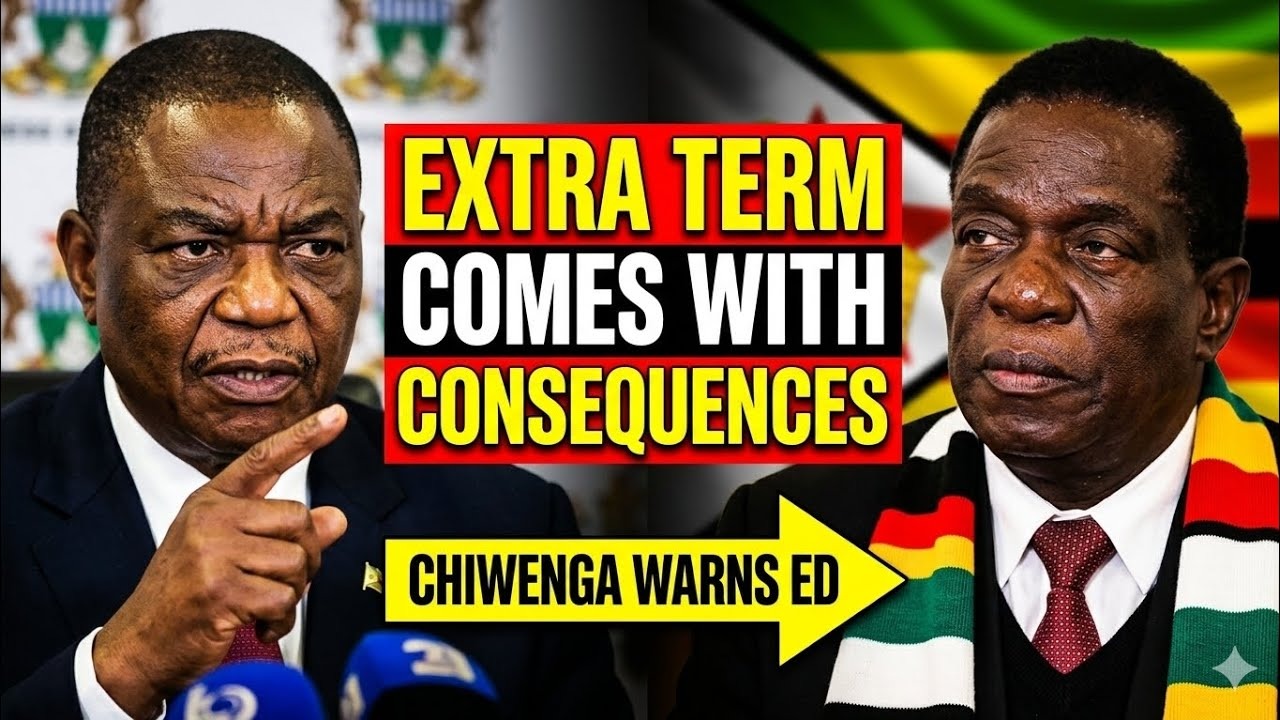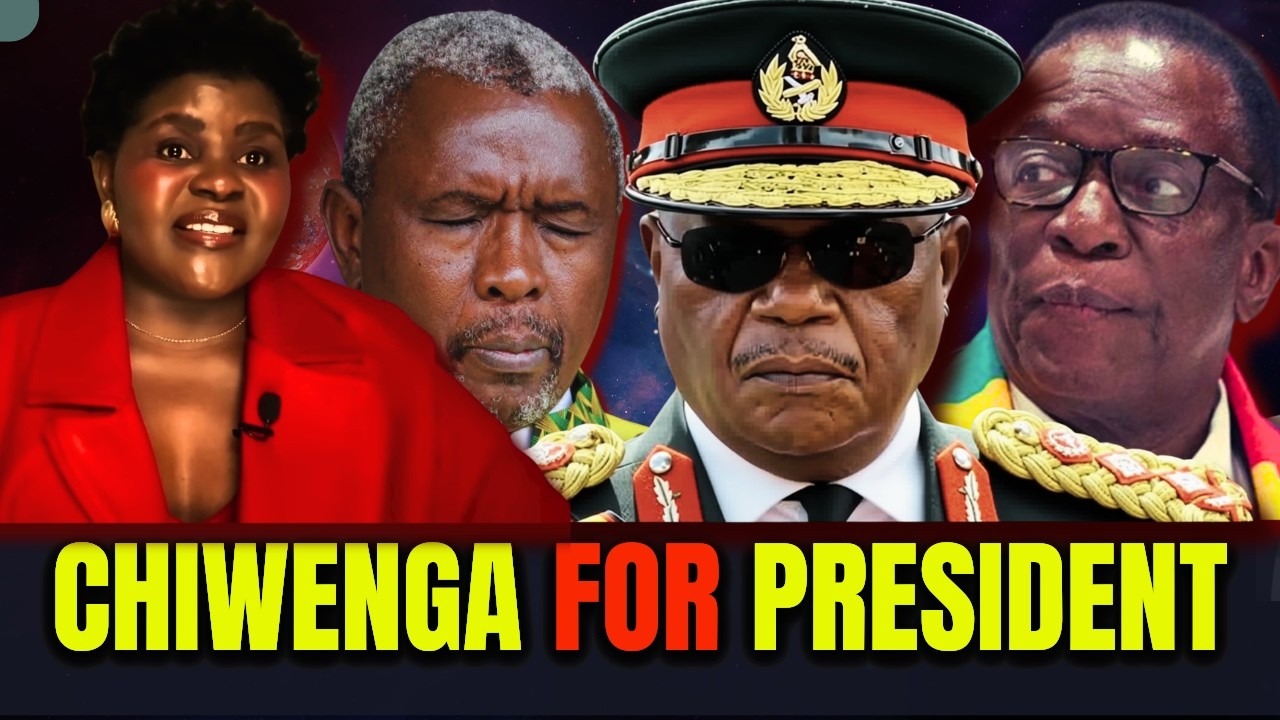
The President was informed of the decision only hours before the public announcement. Presidential spokesperson George Charamba declined to comment, referring questions to the Ministry of Defence. Minister of Defence Oppah Muchinguri-Kashiri was not immediately available for comment, but the Ministry of Defence later confirmed that the military’s declaration had created a constitutional crisis.
Inside the Military’s Move
The decision came after weeks of closed-door meetings at One Commando Barracks. The military’s endorsement effectively bypasses internal ZANU-PF succession mechanisms and the party’s congress, raising questions about the future of civilian rule.
Political and Economic Fallout
Reaction from within ZANU-PF has been split. Some senior party figures, including national chairperson Oppah Muchinguri-Kashiri, are backing Chiwenga, while others remain loyal to Mnangagwa. A faction linked to Mnangagwa’s inner circle has called for an emergency Politburo meeting to ‘clarify the chain of command’.
Economic analysts warn that the uncertainty could further weaken the Zimbabwean dollar, which has already lost over 80% of its value this year. The stock market saw a sharp sell-off in banking and mining stocks shortly after the announcement. ‘Investors hate ambiguity,’ said economist Persistence Gwanyanya. ‘If the military is seen to be pulling the strings, foreign direct investment will dry up even more.’
For ordinary Zimbabweans, the news raises familiar fears. The military has a long history of interfering in politics, from the 2017 coup to the violent crackdowns in 2008 and 2019. Human rights groups have already raised alarms, calling on the African Union to monitor the situation.